2 min read · Updated 21 October 2026
Marble, travertine and onyx: how they differ
All three are calcium-carbonate stones, which is why they are often sold side by side. They form in different ways, and that shows in the surface, the pores and how the stone should be used and cared for.
Marble
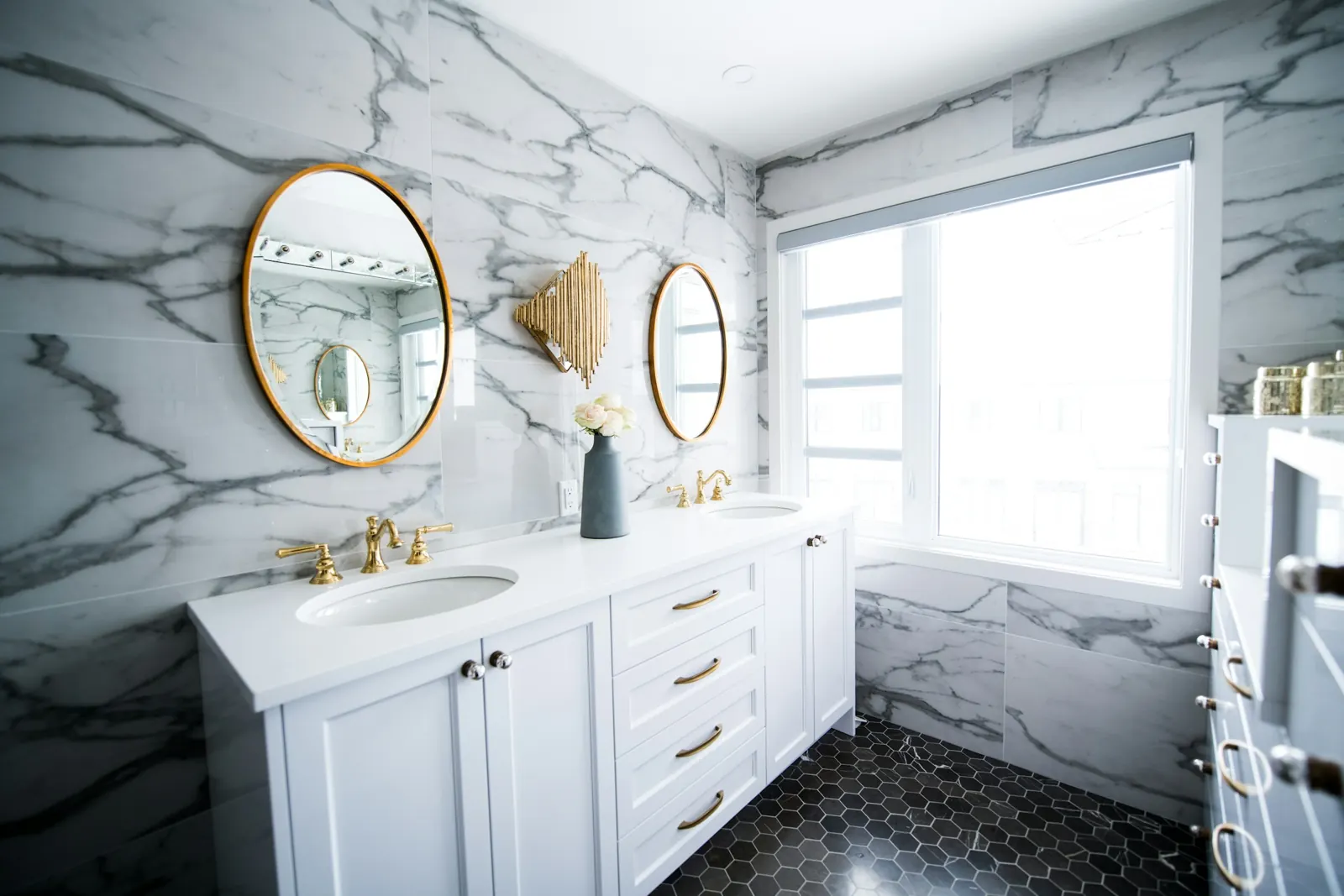
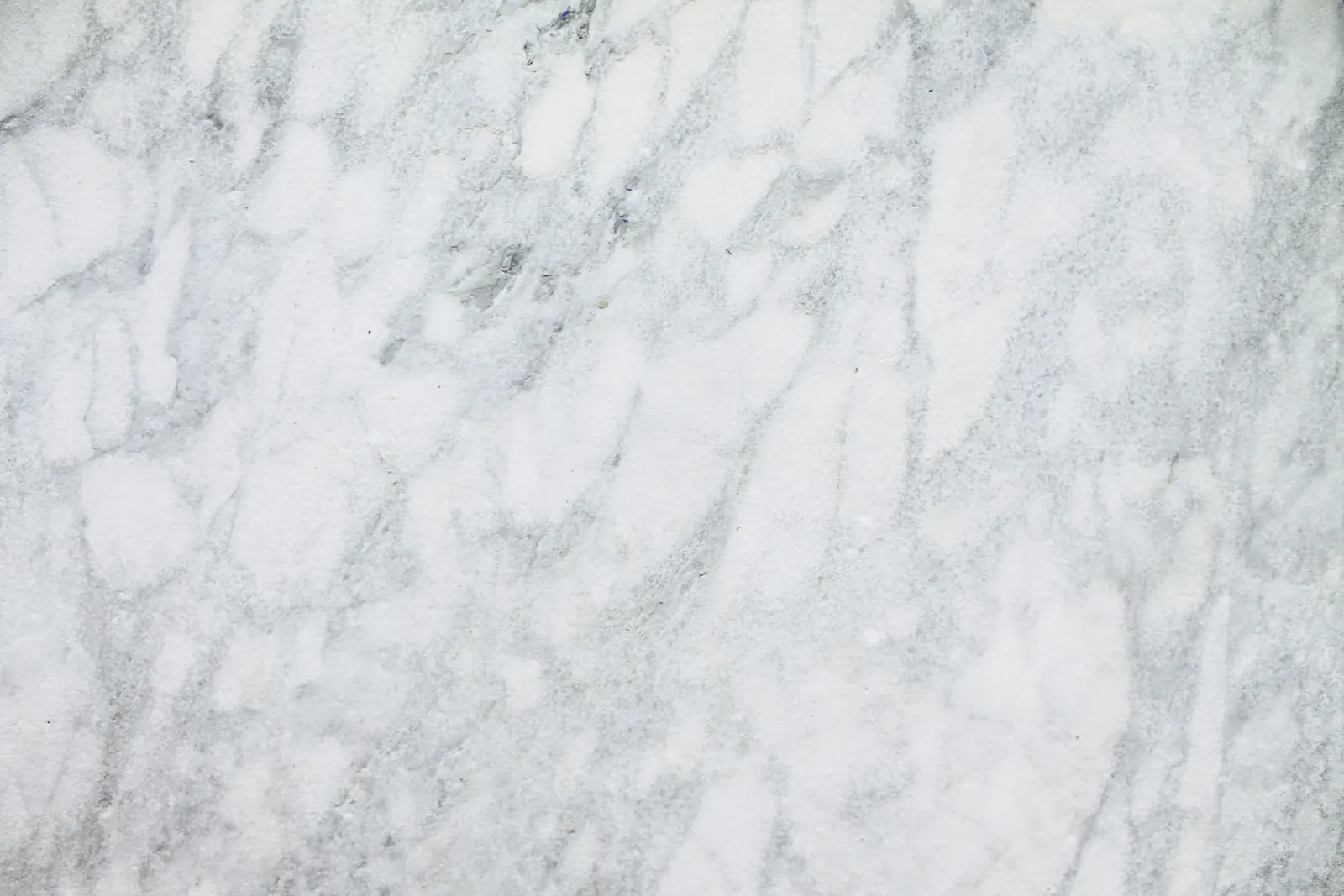
Marble is a metamorphic rock: limestone that was recrystallised under heat and pressure deep in the earth. The crystals interlock, which gives marble its dense body and the way it takes a polish.
Veining comes from minerals and impurities that were present in the original limestone. No two blocks are the same, and colour and veining can change within a single block. White and grey marbles with fine veining are typical of the Afyon region in western Turkey.
Use: tabletop objects, trays, bowls, wall and floor surfaces. Finishes range from polished (glossy, shows veining strongly) to honed (matte, softer look).
Travertine
Travertine is a sedimentary limestone deposited by mineral-rich spring water. As the water releases carbon dioxide, calcium carbonate settles in layers and traps small gas bubbles — these become the natural pores and the banded look of the stone. The travertine terraces of Pamukkale in Denizli are a living example of the process.
The pores can be left open for a rustic surface or filled for a smoother one. Cut along the layers (vein cut) travertine shows parallel bands; cut across them (cross cut) it shows a cloudier pattern.
Use: warm-toned objects, tiles, wall cladding and furniture tops. It is lighter in weight and more porous than most marbles.
Onyx
In the stone trade, “onyx” usually means onyx marble: banded calcite or aragonite that forms in caves and around springs. It is not the same mineral as the black onyx used in jewellery.
Its bands of honey, amber, green or white are often translucent — light passes through thin pieces, which is why onyx is used for lamps and backlit panels.
Onyx is softer and more brittle than marble. It needs careful handling and packing, and it is best suited to decorative pieces rather than surfaces that take heavy daily wear.
Choosing between them
For a crisp, classic look and a dense surface, start with marble. For warmth and natural texture, look at travertine. For a statement piece with depth and light, consider onyx.
Because every block is different, ask for current photos or a sample of the stone that will actually be used. Natural variation in colour, veining and pores is part of the material and not a defect.
Have a project in mind?
Tell us the product, quantity and delivery location. We reply with what can be supplied and a written quotation.